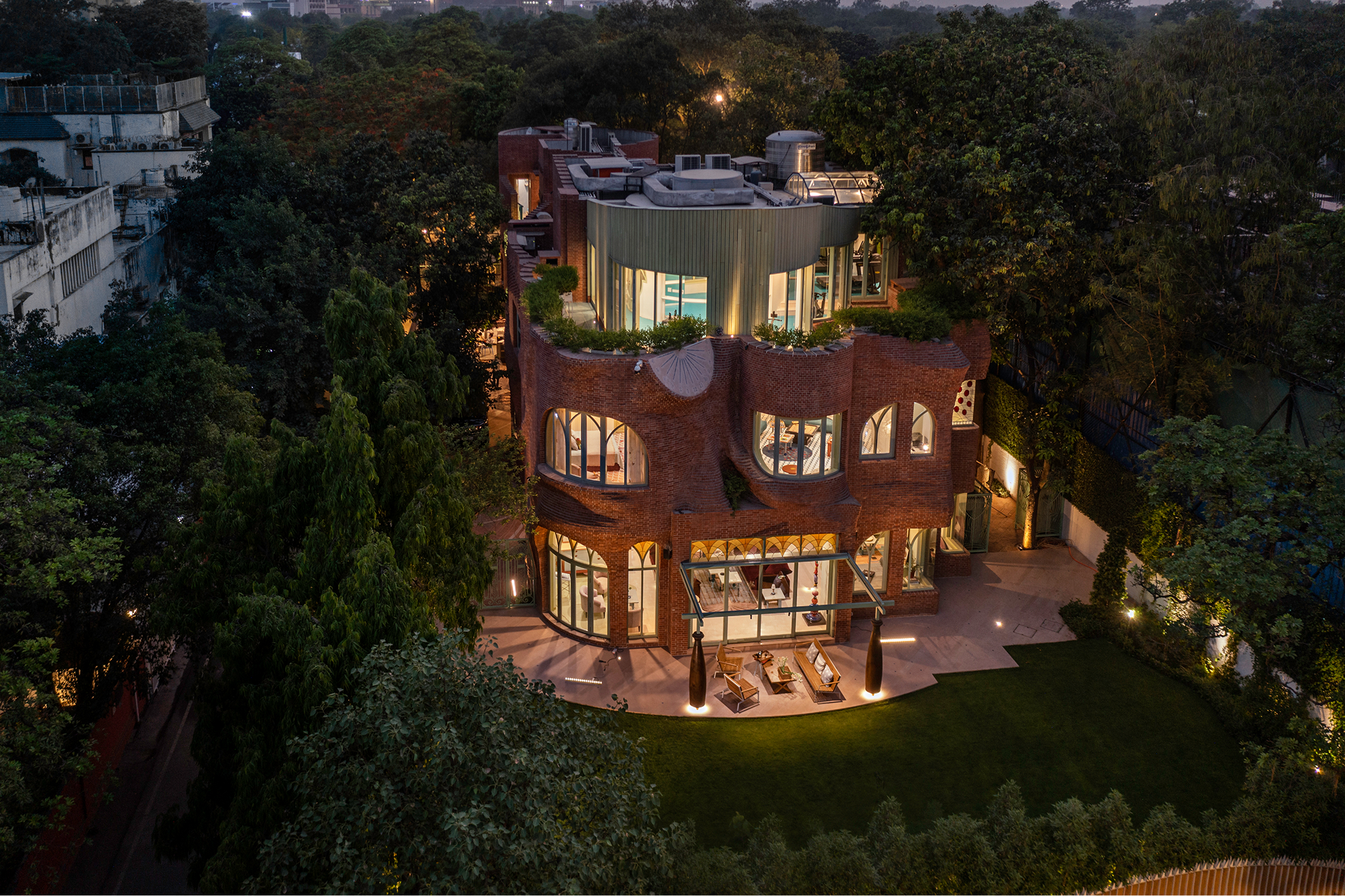
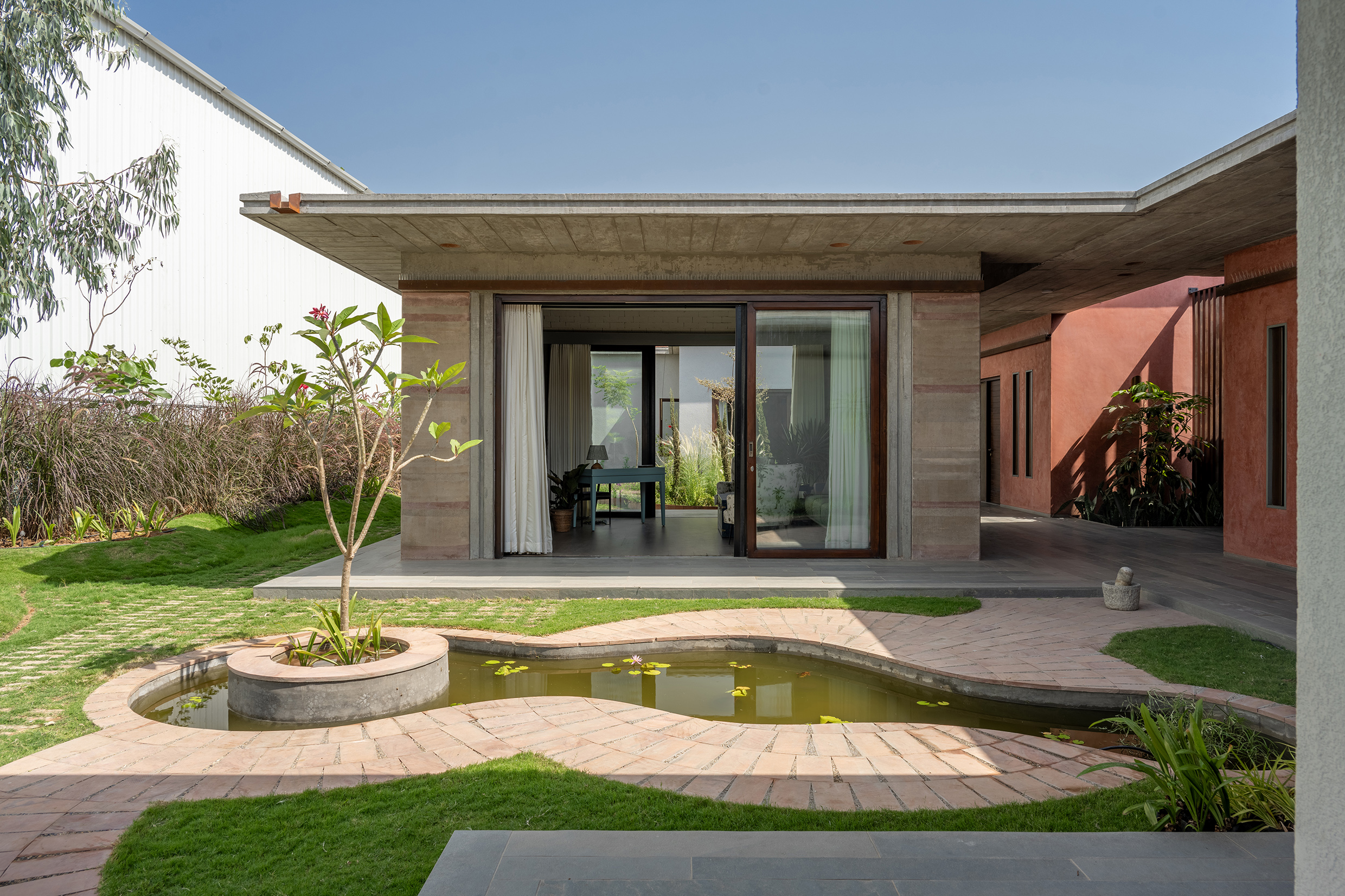
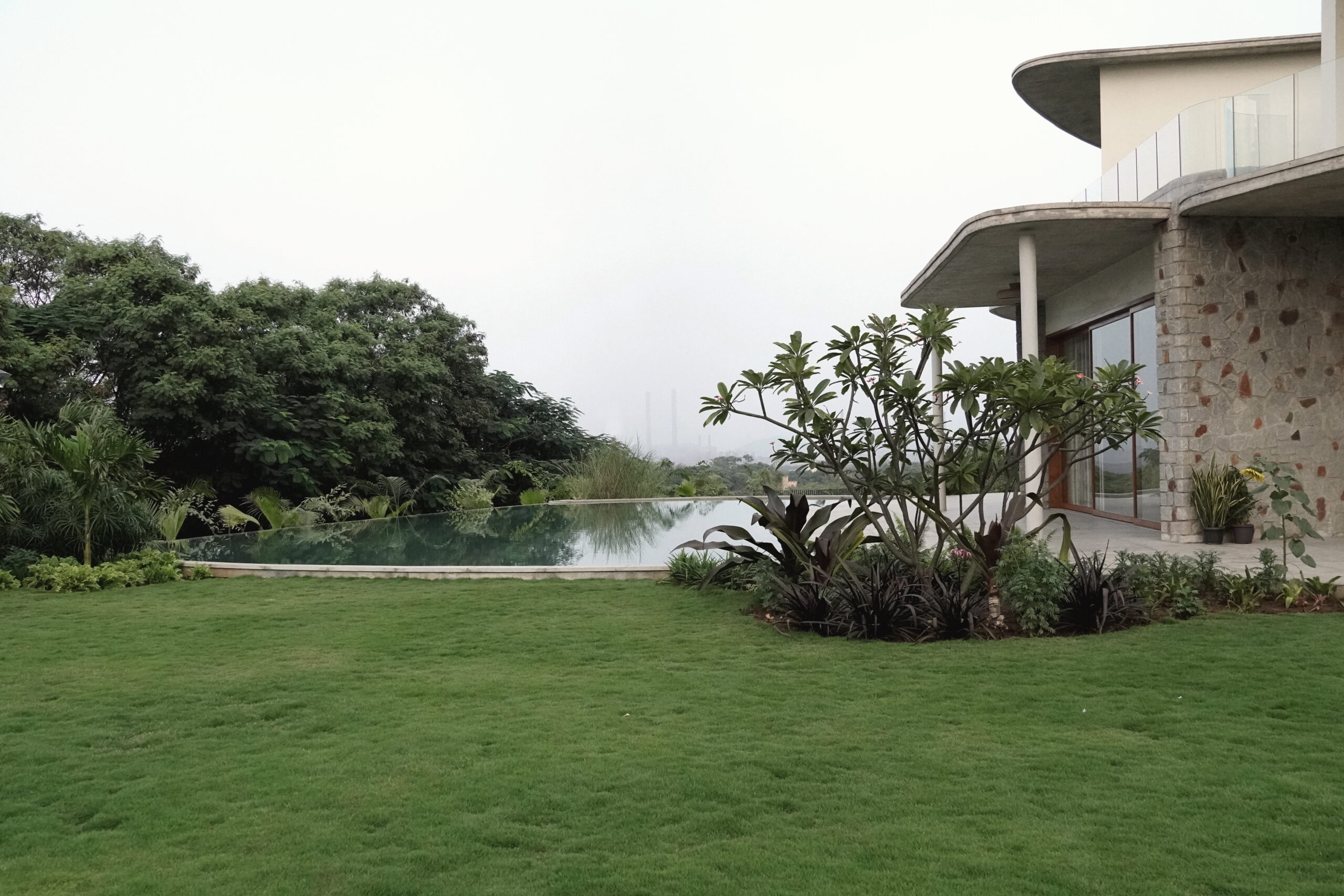
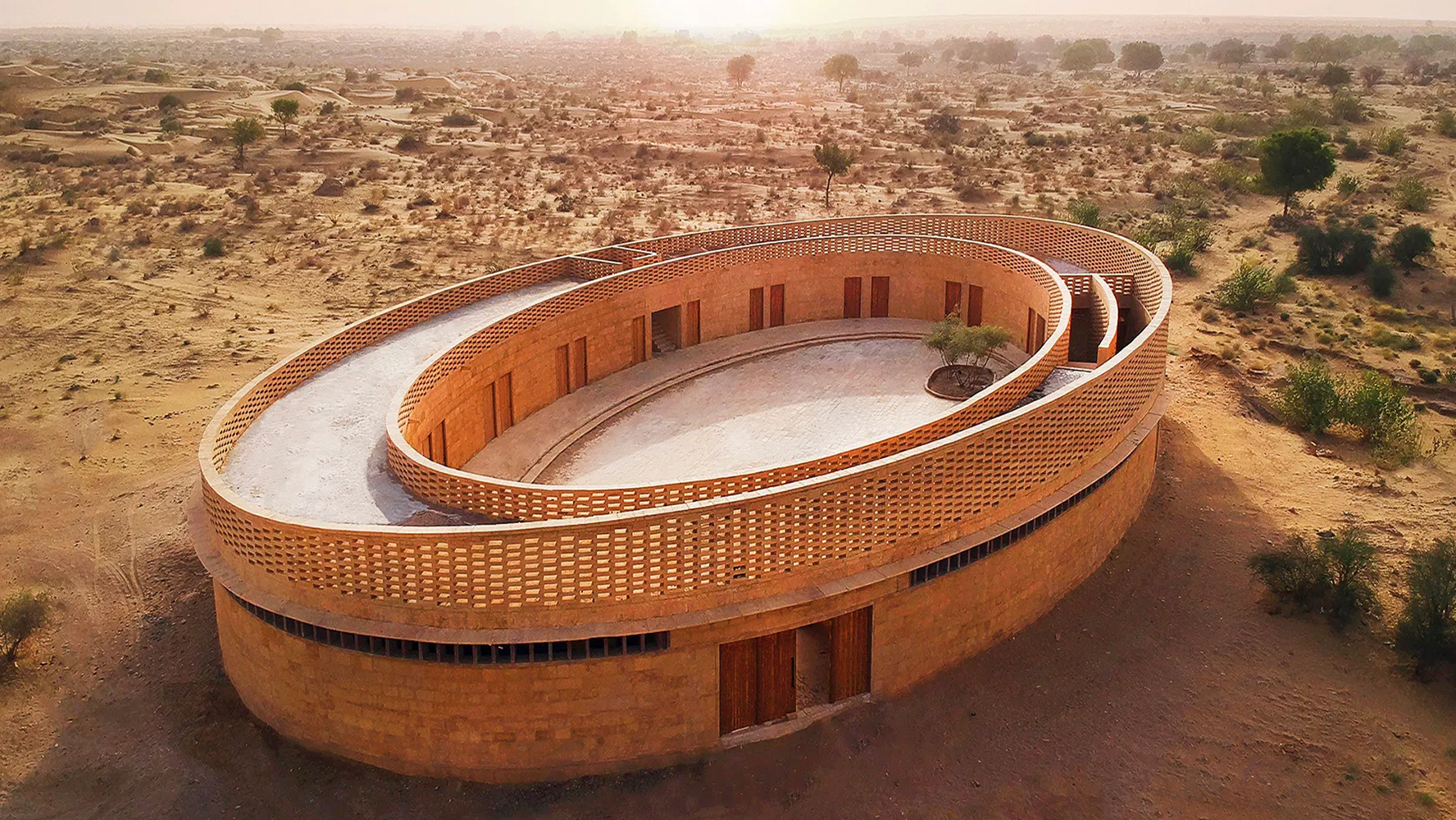
Hospital design is about more than function—it’s about healing. We create efficient, patient-centred spaces that balance seamless workflows with warmth and comfort. Natural light, intuitive layouts, and sustainable elements reduce stress and enhance well-being, ensuring the hospital serves both today’s needs and tomorrow’s growth.
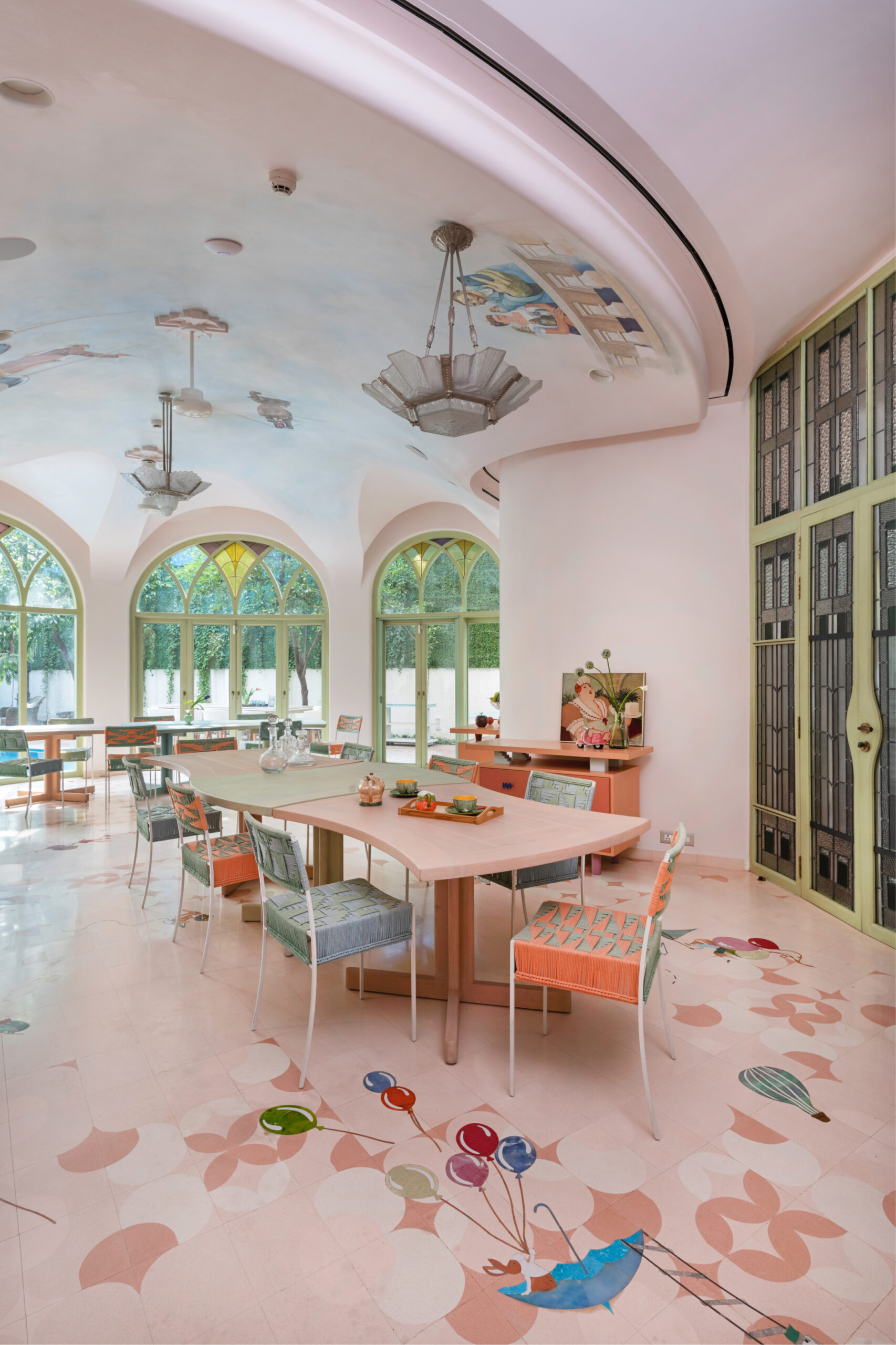
With a cascading tangle of 250 polycarbonate modules—handmade in water, at 280 degrees Celsius—Foggini crafted The Pink Cloud, an installation that tumbles from the ceiling in the dining space. As the voluminous sculpture catches the changing light through the day, it turns different shades of pink, becoming a pulsating, almost living object.
“The first time I visited the apartment, I ended up spending an hour or two walking around the place. Just when the sun set, this incredible rosy light invaded the space, casting everything it touched in a pink haloed glow,” says Singh. “And yet, this beautiful light had nowhere to go; it was contained by the walls of the two rooms on either side of the living space, shrouding the rest of the apartment, which was a shame. I knew, then, that the first step of my design process would be to open the space up, so it could engage with the intense aura of the sunset. The notation is based on the principle of bipolarity, representing truth.
On a closer look, geometry—especially the circle—is revealed as a recurring theme. “The [circle] returns throughout the apartment, in perimeters and in details,” says Singh. “Having completely revised the layout, I asked myself: how do I create the sensation of ‘feeling at home’? To translate the notions of warmth and security, I used the shape of a circle, which collects within itself but does not close, does not isolate.” The circles, peppered across the apartment, are not always obvious; they hide, and linger, until they suddenly erupt into view. And yet, the circle is ubiquitous: in the library, it pops up in the sculptural lamp by Michael Anastassiades for Flos; hides in plain sight in the backrest of the living room’s ‘Pipe’ armchairs by Moroso; and reappears in the delicate crown moulding across the apartment. It is both realized and implied; the Marmara marble flooring in the master bathroom traces an unmissable arc, while the black and white dome on the cc-tapis rug finds its other half only when the custom-designed semicircle table by Singh is placed next to it, adjusted to the perfect angle.
In this evolving canvas—that shifts and morphs along with the lives that it contains within the walls—the only constant is the streaking light that filters through the veranda. Here, the rose-tinted light is the conductor; the rest, mere musicians, dancing to its tune.
Hospital design is about more than function—it’s about healing. We create efficient, patient-centred spaces that balance seamless workflows with warmth and comfort. Natural light, intuitive layouts, and sustainable elements reduce stress and enhance well-being, ensuring the hospital serves both today’s needs and tomorrow’s growth.
With a cascading tangle of 250 polycarbonate modules—handmade in water, at 280 degrees Celsius—Foggini crafted The Pink Cloud, an installation that tumbles from the ceiling in the dining space. As the voluminous sculpture catches the changing light through the day, it turns different shades of pink, becoming a pulsating, almost living object.
“The first time I visited the apartment, I ended up spending an hour or two walking around the place. Just when the sun set, this incredible rosy light invaded the space, casting everything it touched in a pink haloed glow,” says Singh. “And yet, this beautiful light had nowhere to go; it was contained by the walls of the two rooms on either side of the living space, shrouding the rest of the apartment, which was a shame. I knew, then, that the first step of my design process would be to open the space up, so it could engage with the intense aura of the sunset. The notation is based on the principle of bipolarity, representing truth.
On a closer look, geometry—especially the circle—is revealed as a recurring theme. “The [circle] returns throughout the apartment, in perimeters and in details,” says Singh. “Having completely revised the layout, I asked myself: how do I create the sensation of ‘feeling at home’? To translate the notions of warmth and security, I used the shape of a circle, which collects within itself but does not close, does not isolate.” The circles, peppered across the apartment, are not always obvious; they hide, and linger, until they suddenly erupt into view. And yet, the circle is ubiquitous: in the library, it pops up in the sculptural lamp by Michael Anastassiades for Flos; hides in plain sight in the backrest of the living room’s ‘Pipe’ armchairs by Moroso; and reappears in the delicate crown moulding across the apartment. It is both realized and implied; the Marmara marble flooring in the master bathroom traces an unmissable arc, while the black and white dome on the cc-tapis rug finds its other half only when the custom-designed semicircle table by Singh is placed next to it, adjusted to the perfect angle.
“The shell of the house should be strong and beautiful enough to hold its own. It should also be pliable, ready to transform and keep in step with its owners and their changing needs.”
In this evolving canvas—that shifts and morphs along with the lives that it contains within the walls—the only constant is the streaking light that filters through the veranda. Here, the rose-tinted light is the conductor; the rest, mere musicians, dancing to its tune.